A running toilet is one of the most overlooked but costly plumbing issues in UK households. Many homeowners hear a faint trickling sound in the background and ignore it, not realising that a continuously running toilet can waste up to 400 litres of water per day. In the UK, where water bills are rising and many homes are now metered, this can significantly increase monthly costs.
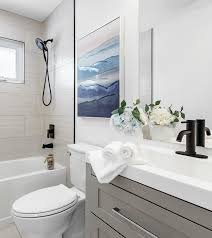
A running toilet is usually caused by a faulty internal mechanism inside the cistern. The good news is that most cases can be fixed quickly without calling a plumber.
Why Toilets Keep Running in UK Homes
Modern UK toilets rely on a cistern system that fills and releases water through internal components. When any of these parts fail, water continues to flow into the bowl.
The most common causes include:
1. Faulty Flapper Valve (Flush Seal)
The flapper is a rubber seal that controls water release. If it becomes worn or misaligned, water continuously leaks into the bowl.
2. Float Height Issues
The float controls water level in the cistern. If set too high, water constantly drains into the overflow pipe.
3. Damaged Fill Valve
The fill valve controls water entering the tank. If it fails, the cistern may never stop filling.
4. Limescale Build-up (Common in UK Areas)
Hard water in regions like London, Surrey, and Essex causes mineral deposits that prevent proper sealing.
5. Loose Chain or Handle Mechanism
If the flush chain is too tight or too loose, it can stop the flapper from sealing correctly.
Signs of a Running Toilet
- Constant water sound in bathroom
- Toilet refilling without flushing
- Movement of water in bowl without use
- Higher than normal water bills
- Weak or inconsistent flush performance
Tools You Will Need
- Rubber gloves
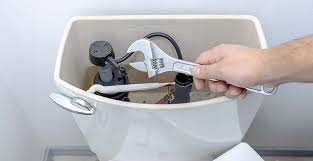
- Adjustable wrench (optional)
- Replacement flapper or fill valve kit
- Sponge or towel
- Vinegar (for cleaning limescale)
Step-by-Step Repair Guide
Step 1: Remove the Cistern Lid
Carefully lift the lid off the toilet cistern and place it safely aside. Avoid cracking it, as ceramic lids are fragile.
Step 2: Check the Flapper Valve
Inspect the rubber flapper at the bottom of the tank:
- If warped or cracked → replace it
- If dirty → clean it with vinegar
- If misaligned → adjust chain length
A poorly sealed flapper is the most common cause in UK homes.
Step 3: Adjust the Float
Check the float mechanism:
- If water level is too high → adjust float downward
- If float is stuck → free it gently
Water should sit below the overflow pipe level.
Step 4: Inspect the Fill Valve
If water continues running:
- Turn off water supply
- Remove fill valve
- Check for blockages or wear
- Replace if necessary
Fill valves are inexpensive and widely available in UK DIY stores.
Step 5: Clean Limescale Build-Up
Soak internal components in white vinegar for 30–60 minutes to remove mineral deposits.
This is especially important in hard water areas of the UK.
Step 6: Reassemble and Test
Turn water back on and allow cistern to fill. Flush multiple times to confirm proper operation.
When to Call a Plumber
You should seek professional help if:
- Internal cistern parts are severely damaged
- Water continues running after replacement parts
- You are unable to identify the fault
- There is visible cracking in the cistern
Preventing Future Toilet Issues
- Clean cistern every 6–12 months
- Use water softening solutions in hard water areas
- Avoid forcing flush handles
- Replace rubber seals every few years
- Regularly check water levels
Final Thoughts
A running toilet may seem minor, but it is one of the biggest hidden water wasters in UK homes. Most issues are simple mechanical faults that can be fixed in under an hour with basic tools. Regular maintenance ensures long-term efficiency and lower water bills.