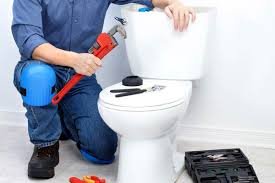
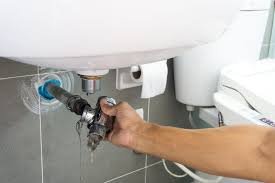
Silicone sealant plays a crucial role in keeping UK bathrooms waterproof. It prevents water from seeping behind tiles, bathtubs, showers, and sinks. Over time, however, silicone degrades due to moisture, mould, and general wear.
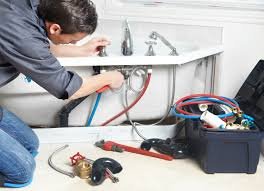
In many UK homes, especially older properties with poor ventilation, silicone failure is one of the most common causes of leaks and mould growth.
Replacing silicone properly is essential for maintaining a watertight bathroom.
Why Bathroom Silicone Fails
Silicone does not last forever. In UK bathrooms, failure is usually caused by:
1. Mould Growth
Constant humidity encourages black mould to form on sealant.
2. Ageing and Cracking
Over time, silicone loses flexibility and begins to crack or shrink.
3. Poor Initial Application
Uneven or thin silicone lines fail quickly.
4. Water Damage Behind Seal
Leaks behind tiles or trays break down adhesive bonds.
5. Cleaning Chemicals
Harsh cleaners weaken silicone structure.
Signs Your Silicone Needs Replacing
- Black mould spots that won’t clean off
- Gaps between tiles and bath/shower
- Peeling or shrinking sealant
- Water leaking onto floor
- Musty smell in bathroom
If you notice any of these, replacement is necessary.
Tools and Materials Needed
- Bathroom-grade anti-mould silicone
- Silicone removal tool or knife
- Caulking gun
- Cleaning cloths
- Mould remover spray
- Masking tape (optional for neat finish)
Step-by-Step Silicone Replacement Guide
Step 1: Remove Old Silicone
Carefully cut along both edges of the old sealant using a silicone remover tool or sharp blade.
Remove all residue completely. Leftover silicone prevents proper bonding.
Step 2: Clean the Area Thoroughly
Use a mould remover spray or diluted bleach solution to clean:
- Tiles
- Bath edges
- Shower trays
Allow the area to dry fully before applying new silicone.
Step 3: Dry the Surface Completely
Moisture is the main reason silicone fails early. Ensure the area is completely dry before proceeding.
Step 4: Apply Masking Tape (Optional)
For a professional finish:
- Apply tape along both sides of the joint
- Leave a narrow gap for silicone line
This ensures straight edges.
Step 5: Apply New Silicone
Using a caulking gun:
- Apply a continuous, even bead
- Avoid gaps or breaks in the line
- Work slowly for precision
Use anti-mould silicone designed for bathrooms in UK conditions.
Step 6: Smooth the Seal
Use a silicone finishing tool or wet finger to smooth the bead.
This ensures proper sealing and professional appearance.
Step 7: Remove Tape and Let It Cure
Remove masking tape immediately after smoothing.
Allow silicone to cure for at least 24 hours before using the bathroom.
Common Mistakes to Avoid
- Applying silicone over old sealant
- Not drying the surface properly
- Using general-purpose silicone instead of bathroom-grade
- Using too much or too little product
- Using bathroom too soon after application
How Often Should You Replace Silicone?
In UK homes:
- Every 2–3 years is recommended
- More frequently in high-moisture bathrooms
- Immediately if mould or leaks appear
Final Thoughts
Replacing bathroom silicone is one of the most effective ways to prevent leaks and mould in UK homes. With proper preparation and correct application, you can achieve a long-lasting waterproof seal that protects your bathroom for years.