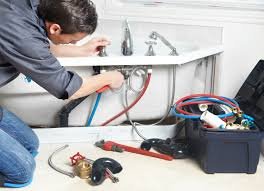
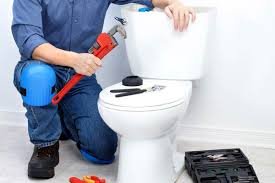
Hidden bathroom leaks are one of the most damaging and expensive problems in UK properties. Unlike visible leaks from taps or showers, hidden leaks often occur behind walls, under floors, or inside pipework. They can go unnoticed for months, slowly causing damp, mould, structural damage, and rising water bills.
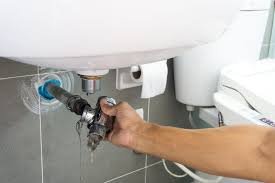
In many UK homes, especially older terraced houses and flats, plumbing systems are concealed, making leak detection more challenging. This guide explains how to identify, locate, and manage bathroom leaks before they become serious.
Why Bathroom Leaks Are Common in UK Homes
Several factors contribute to frequent bathroom leaks:
- Aging pipework in older UK housing stock
- High water pressure fluctuations
- Poor original plumbing installation
- Movement in building structure over time
- Corrosion from hard water
- Worn seals and joints
Types of Bathroom Leaks
1. Visible Leaks
These include dripping taps, leaking showerheads, or water pooling around fixtures.
2. Hidden Pipe Leaks
Leaks behind walls or under floors that are not immediately visible.
3. Seal Failures
Broken silicone or grout allowing water to seep into structural areas.
4. Toilet Leaks
Slow cistern leaks that waste water silently.
Signs You Have a Hidden Bathroom Leak
Watch for these early warning signs:
- Unexplained increase in water bills
- Damp patches on walls or ceilings
- Musty smell in bathroom or nearby rooms
- Peeling paint or wallpaper
- Warped flooring or skirting boards
- Constant moisture around bathroom area
In UK flats, leaks may also affect neighbouring properties below.
Step-by-Step Leak Detection Process
Step 1: Check Water Meter
Turn off all water sources in your home. If the meter continues moving, you likely have a leak.
Step 2: Inspect Visible Fixtures
Check all:
- Taps
- Shower heads
- Toilet cistern
- Pipe joints
Even small drips can indicate larger issues.
Step 3: Examine Bathroom Surfaces
Look for:
- Dark patches on walls
- Soft or swollen flooring
- Loose tiles
- Cracked sealant
These are strong indicators of hidden water damage.
Step 4: Test Toilet for Silent Leaks
Add a few drops of food colouring into the cistern. If colour appears in the bowl without flushing, water is leaking internally.
Step 5: Check Under Bath and Sink
If accessible, inspect beneath fixtures for moisture or corrosion.
Step 6: Use Professional Leak Detection (If Needed)
In the UK, many plumbing services use:
- Thermal imaging
- Acoustic leak detection
- Moisture meters
These tools locate leaks without damaging walls or floors.
Common UK Leak Locations
- Behind tiled shower walls
- Under bathtub panels
- Around toilet seals
- Inside plasterboard walls
- Beneath bathroom flooring
Risks of Ignoring Bathroom Leaks
If left untreated, leaks can cause:
- Structural rot in wooden flooring
- Mould infestation
- Electrical hazards in bathrooms
- Damage to neighbouring flats
- Very high water bills
- Insurance complications
How to Prevent Bathroom Leaks
- Replace silicone seals every 2–3 years
- Inspect plumbing annually
- Avoid over-tightening fittings
- Install water pressure regulators if needed
- Fix small drips immediately
- Ensure proper bathroom ventilation
Final Thoughts
Bathroom leaks are often hidden but highly destructive. In UK homes, early detection is critical to preventing expensive repairs. With simple checks and regular maintenance, most leaks can be identified before they cause serious damage.